
How to Verify Certifications and Material Quality (Like 304/316 Stainless Steel) from China-based Suppliers
When sourcing materials or products from China, especially critical ones like 304/316 stainless steel, ensuring the authenticity of certifications and the quality of the material is vital. These metals are widely used for their corrosion resistance and durability, but without proper verification, you might face risks like using non-compliant or substandard materials. Here’s a comprehensive guide to help you confidently assess supplier-provided documentation and test the material quality.
1. Request and Verify Certifications
Start with document verification. Genuine suppliers should be able to provide industry-standard certifications that comply with international standards. Specifically, you should look for:
- Material Test Reports (MTR): These are documents that demonstrate compliance with industry regulations and include chemical composition and mechanical properties, matching the required stainless steel type (e.g., 304 or 316).
- ISO 9001 Certification: Ensures consistent quality, indicating the supplier adheres to international quality management practices.
- RoHS (Restriction of Hazardous Substances): Assures compliance with health, safety, and environmental standards.
Once you receive certifications, take the following steps:
- Check the Validity: Ensure certifications like MTR bear the issuing agency’s stamp and haven’t expired.
- Cross-Verify: Contact the issuing body or use its online verification systems to confirm authenticity.
- Scrutinize Minor Details: Double-check names and descriptors for consistency. Discrepancies might indicate questionable documents.
2. Conduct Independent Testing
Verifying stainless steel quality involves testing its chemical composition, hardness, corrosion resistance, and mechanical strength. If certifications are unclear or you want added confidence, consider the following steps:
- XRF (X-Ray Fluorescence Testing): This method determines the material's chemical makeup to confirm it adheres to 304/316 standards.
- Magnetic Testing: Stainless steel, especially austenitic grades like 304 and 316, should be non-magnetic under normal conditions. Check to ensure this property is present.
- Pitting Corrosion Test (ASTM G48): Evaluate the resistance of stainless steel to localized corrosion in chloride-rich environments, distinguishing genuine materials from inferior alternatives.
- Third-Party Laboratory Testing: Engage an accredited lab to conduct detailed assessments of material quality beyond on-site inspections.
3. Investigate Supplier Reputation
Before working with any supplier, thoroughly evaluate their market reputation and trustworthiness. Here’s how:
- Check Online Reviews: Platforms like Alibaba, Global Sources, and Made-in-China often provide supplier ratings and buyer feedback. Scrutinize these reviews carefully.
- Request Samples: Ask for material samples and assess their quality against the provided certifications.
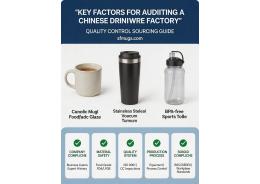
- Factory Audits: Physically inspect the factory to evaluate their production processes, facilities, and inventory. Consider third-party inspection services if you can’t travel to China.
- Supplier Credentials: Look for longstanding business history and experience handling export-quality goods in your industry.
4. Insist on Contracts and Quality Assurance Clauses
A well-documented agreement is essential before finalizing any purchase. Here are some tips:
- Include Material Specifications: Clearly specify the grade of stainless steel (304/316), including chemical composition and performance metrics like tensile strength and yield strength.
- Define Certification Requirements: Make it mandatory for suppliers to provide certifications along with product documentation.
- Demand Penalty Clauses: Include terms that penalize the supplier if materials are proven to be inferior to agreed standards.
5. Utilize Trusted Sourcing Platforms
When sourcing from China, leverage established B2B platforms that prioritize vendor verification, such as:
- Alibaba: Provides reviews, trade assurance, and an on-site supplier verification program.
- Global Sources: Features audited suppliers for reliability.
- Made-in-China: Offers credibility reports to assess supplier trustworthiness.
Conclusion
Verifying certifications and material quality when sourcing 304 or 316 stainless steel from China may seem daunting, but with a structured process, it’s manageable. By carefully reviewing documentation, conducting independent tests, and ensuring supplier credibility, you can achieve the confidence you need to guarantee quality and compliance. Follow these steps, and you’ll minimize risks while optimizing your sourcing experience.
 English
 German
 French
 Russian
 Spanish
 Japanese
 Korean
 Portuguese
 Ukrainian
 Afrikaans
 Albanian