
Key Factors to Consider When Auditing a Chinese Drinkware Factory for Quality Control
Choosing the right Chinese drinkware factory is critical if you want consistent quality, on-time delivery, and long-term brand reputation. Whether you are sourcing ceramic mugs, stainless steel tumblers, glass bottles, or plastic sports bottles, a structured factory audit is the most reliable way to verify that a supplier can meet your standards. Drawing on best practices from experienced drinkware manufacturers like sfmugs.com, this guide walks through the key factors you should assess when auditing a Chinese drinkware factory for quality control.
1. Company Background and Compliance
Start by understanding who you are dealing with. A reliable drinkware factory should be transparent about its history, capabilities, and legal status.
- Business license and registration: Verify that the factory is legally registered in China, and that the business scope includes manufacturing drinkware or related products.
- Ownership and management: Confirm whether it is a manufacturer (not a pure trading company), and understand the management structure and decision-making process.
- Factory location and scale: Check the number of production lines, total facility area, and worker headcount to see if capacity fits your order volume.
- Export experience: Look for a proven export history to markets like the US, EU, UK, Australia, etc., which often indicates experience with strict standards.
2. Quality Management System
Strong quality control does not happen by chance. It is the result of documented systems, disciplined implementation, and continuous improvement.
- Certifications: Ask if the factory has ISO 9001 or similar quality management certifications. For a specialized drinkware producer, this is often a good sign of mature systems.
- Quality manual and procedures: Review documented procedures for incoming inspection, in-process inspection, final inspection, and corrective actions.
- Dedicated QC team: Confirm that there is an independent QC team responsible for monitoring each production stage, not just final inspection.
- Traceability: Check how the factory traces each batch of materials and finished products (lot numbers, production dates, etc.). This is crucial when issues arise in the market.
- Continuous improvement: Ask for examples of past quality issues and how the factory resolved and prevented them in the future.
3. Material Control and Safety Compliance
Drinkware comes into direct contact with beverages, so material safety is non-negotiable. A professional drinkware supplier like those featured on sfmugs.com pays close attention to sourcing and testing of raw materials.
- Approved material list: Verify that the factory uses approved, food-contact-safe materials such as food-grade stainless steel, lead-free ceramic glazes, BPA-free plastics, and safe silicone.
- Supplier management: Check how the factory evaluates and manages its own material suppliers. Look for supplier audits, contracts, and evaluation records.
- Incoming material inspection: Confirm there is a systematic incoming quality control (IQC) process: sampling, testing, and acceptance criteria for each material.
- Food contact compliance: Ask for evidence of compliance with regulations relevant to your market, such as FDA (USA), LFGB (Germany), EU Regulation (EC) No 1935/2004, or other national standards.
- Heavy metal and chemical safety: For ceramic and glass drinkware, request test reports showing compliance with limits for lead, cadmium, and other heavy metals. For plastics, check for BPA-free claims and migration test reports.
4. Production Equipment and Process Control
A factory’s equipment and process control directly influence product consistency, surface finish, and durability. When you visit or audit the factory, walk the full production flow from raw materials to packing.
4.1 Ceramic and Porcelain Drinkware
If you are sourcing ceramic mugs or stoneware, focus on:
- Moulding and forming: Inspect the molding equipment and the stability of shapes and sizes between samples and mass production.
- Firing and kilns: Check kiln capacity, temperature control, and firing cycles. Inconsistent firing can cause warping, pinholes, or glaze defects.
- Glazing: Evaluate glaze application methods and thickness control to avoid dripping, uneven color, or pinholes.
- Surface decoration: For decal printing, hand painting, or color glazing, verify process control to ensure coherent designs and brand colors.
4.2 Stainless Steel and Metal Drinkware
For stainless steel tumblers and bottles, key aspects include:
- Forming and welding: Examine the forming process, welding quality, and whether the factory can produce single-wall or double-wall vacuum insulation consistently.
- Insulation performance: Ask how the factory tests and controls insulation (keeping cold/hot for a specified time).
- Polishing and surface finishing: Review the quality of internal and external polishing, powder coating, and any special finishes (e.g., gradient, matte, glossy).
- Corrosion resistance: Verify that correct stainless steel grades are used (e.g., 304/18-8 for food contact) and that surface treatment prevents rust.
4.3 Plastic and Tritan Drinkware
For plastic bottles and shakers:
- Injection and blow molding: Check for stable molding conditions to avoid deformation, bubbles, or weak points.
- Material identification: Confirm the resin type (e.g., Tritan, PP, PC) and ensure it matches specifications and is food-grade.
- Temperature resistance: For hot drinks or dishwasher-safe claims, verify testing and actual performance.
5. In-Process and Final Quality Inspection
Visual checks alone are not enough. A reliable drinkware factory should have clear inspection standards and documented records at multiple stages.
- In-process inspections (IPQC): Confirm inspections are carried out at key process steps – forming, surface treatment, printing, assembly, and packing.
- Sampling plans: Ask which sampling standards they follow (e.g., AQL levels) and review sample inspection forms.
- Final inspection (FQC/OQC): Verify there is a structured final inspection process with checklists for appearance, function, size, and packaging.
- Defect criteria: Review accepted defect classifications (critical, major, minor) and typical defect examples (color variation, logo misprint, leakage, scratches, rough edges, etc.).
- Rework and segregation: Check how defective products are segregated, reworked, or scrapped to prevent them from mixing into good shipments.
6. Product Testing and Safety Validation
Beyond visual inspection, you should review how the factory validates performance and safety. Many professional drinkware factories cooperate with third-party labs and also maintain in-house testing capacity.
- Leak-proof testing: Ensure each batch undergoes leak testing for lids, seals, and body joints, especially for travel mugs and sports bottles.
- Drop and impact tests: Check whether the factory tests drop resistance and durability, particularly for glass and plastic products.
- Dishwasher and temperature tests: For dishwasher-safe or heat-resistant claims, verify repeated cycle testing and temperature shock testing.
- Color and printing durability: Ask about tests for logo adhesion, color fastness, and resistance to scratching or peeling.
- Third-party lab reports: Request recent test reports from reputable labs (e.g., SGS, Intertek, TÜV) that cover your target markets.
7. Decoration, Branding, and Customization Capability
Drinkware is often used for brand promotion, retail, or corporate gifting. Your factory must be able to reproduce your design precisely and consistently, especially if you are sourcing through specialized suppliers showcased on sfmugs.com.
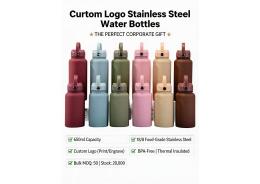
- Available decoration methods: Screen printing, heat transfer, pad printing, laser engraving, decal, sublimation, UV printing, and others.
- Color management: Verify the ability to match Pantone colors and maintain consistency between batches.
- Artwork handling: Check how the factory manages artwork files, proof approvals, and sample confirmation before mass production.
- Sample development speed: Evaluate how quickly they can provide pre-production samples and how closely samples match confirmed specifications.
8. Packaging, Labeling, and Logistics Readiness
Even if the drinkware itself is perfect, poor packaging can cause damage during shipping. A thorough audit must include packaging and logistics handling.
- Primary packaging: Review individual box designs, protective inserts, and whether packaging meets your branding requirements.
- Transport protection: Inspect carton strength, internal dividers, and palletizing methods to minimize damage in transit.
- Regulatory labeling: Verify correct country-of-origin marking, recycling symbols, barcodes, and any labels required by your market.
- Carton marking and tracking: Check for clear carton markings (item, color, quantity, batch, PO number) and any internal tracking systems.
- On-time delivery capability: Review historical on-time performance, production lead times, and peak-season capacity.
9. Social Compliance and Workplace Conditions
Many brands and importers require their drinkware suppliers to comply with social responsibility standards. This is increasingly important for retailers and promotional product companies.
- Social compliance audits: Ask if the factory has passed audits such as BSCI, SEDEX/SMETA, or other customer-specific programs.
- Working conditions: Observe safety measures, cleanliness, protective equipment, ventilation, and ergonomics on the shop floor.
- Working hours and wages: Verify records to ensure compliance with local labor laws.
- No child or forced labor: Confirm policies and evidence that the factory does not employ underage or forced labor.
10. Communication, Documentation, and After-Sales Support
Technical capacity alone is not enough. Smooth communication and professional service are crucial for long-term cooperation with a Chinese drinkware manufacturer.
- Responsiveness: Evaluate how quickly and clearly the sales and engineering teams respond to your questions.
- Documentation quality: Check product specifications, drawings, QC reports, and packing lists for accuracy and completeness.
- Problem handling: Ask how they handle claims, returns, or quality issues after shipment. Do they have a structured corrective action process?
- Long-term partnership mindset: Look for willingness to invest in tooling, product development, and process improvements to support your brand’s growth.
Practical Steps to Conduct a Chinese Drinkware Factory Audit
To put these factors into practice, structure your audit around clear stages:
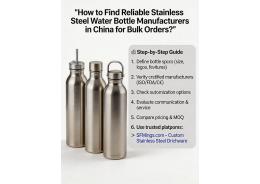
- Pre-screening: Shortlist potential factories through platforms like sfmugs.com, reviewing product ranges, export markets, and certifications.
- Document review: Request and review business licenses, certificates, test reports, and process documents before visiting.
- On-site audit: Visit the factory (or use a trusted inspection company) to walk through production, interview key staff, and verify documentation.
- Sample validation: Order pre-production samples to validate materials, performance, decoration, and packaging against your standards.
- Trial order with enhanced inspection: Place a smaller initial order with strict pre-shipment inspection before scaling up volumes.
Conclusion
Auditing a Chinese drinkware factory for quality control requires more than just checking prices and photos. You need to systematically evaluate the factory’s legal compliance, quality management, material safety, production processes, testing capabilities, packaging, social responsibility, and communication. By following the framework above and partnering with experienced manufacturers like those highlighted on sfmugs.com, you can significantly reduce sourcing risk, protect your brand, and build a stable supply chain for your drinkware business.
 English
 German
 French
 Russian
 Spanish
 Japanese
 Korean
 Portuguese
 Ukrainian
 Afrikaans
 Albanian