
What Certifications Should a Reliable Stainless Steel Water Bottle Factory Have for Export to Europe?
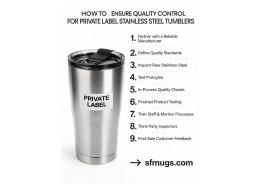
When you’re considering importing stainless steel water bottles to Europe, it’s crucial to ensure that your supplier complies with all necessary regulations and standards. Not all factories meet the stringent requirements for European markets, so verifying certifications is critical. Here, we’ll explore the must-have certifications for a stainless steel water bottle factory exporting to Europe.
1. ISO 9001: Quality Management System
Factories with ISO 9001 certification demonstrate a commitment to maintaining consistent quality in their manufacturing processes. This certification ensures that the water bottles meet the highest standards in manufacturing and customer satisfaction.
2. EU Food-Grade Certification (Regulation EC 1935/2004)
The EU enforces strict regulations for materials that come into contact with food or drink. Regulation EC 1935/2004 ensures that the stainless steel used in water bottles is safe for consumer health and does not impart harmful substances.
3. LFGB Certification
For exports to Germany and other EU countries, having the LFGB (Lebensmittel-, Bedarfsgegenstände- und Futtermittelgesetzbuch) certification is essential. LFGB tests evaluate whether the product materials are free from harmful substances, guaranteeing safety and compliance with German food safety standards.
4. BPA-Free Certification
Stainless steel water bottles with plastic components like lids or liners must be BPA-free to meet European market demands. A reliable factory should be able to provide documentation proving that their products are free from BPA and other harmful chemicals.
5. REACH Compliance
The REACH regulation (Registration, Evaluation, Authorisation, and Restriction of Chemicals) applies to chemicals used in manufacturing processes. A trustworthy factory will strictly adhere to REACH to ensure environmental safety and product compliance.
6. FDA Certification
Although primarily a U.S. standard, FDA certification is often recognized globally as a mark of safety for food-grade products. Having FDA-certified water bottles gives your business an extra competitive edge in the European market.
7. CE Marking
CE marking shows that the product complies with EU safety, health, and environmental protection standards. While not mandatory for all water bottles, it is still a worthwhile certification to consider, especially for products that could involve electrical components like temperature displays.
In Conclusion
A reliable stainless steel water bottle factory exporting to Europe should possess a combination of certifications such as ISO 9001, EU Food-Grade Certification, LFGB, BPA-Free documentation, REACH compliance, FDA certification, and optionally CE marking. These certifications ensure compliance with European regulations, safeguard consumer safety, and boost buyer confidence.
Choosing the right supplier ensures smooth importation and sets your business up for success in the competitive European market. Want to learn more or collaborate with a supplier that meets these high standards? Visit https://www.sfmugs.com.
 English
 German
 French
 Russian
 Spanish
 Japanese
 Korean
 Portuguese
 Ukrainian
 Afrikaans
 Albanian